


Introduction
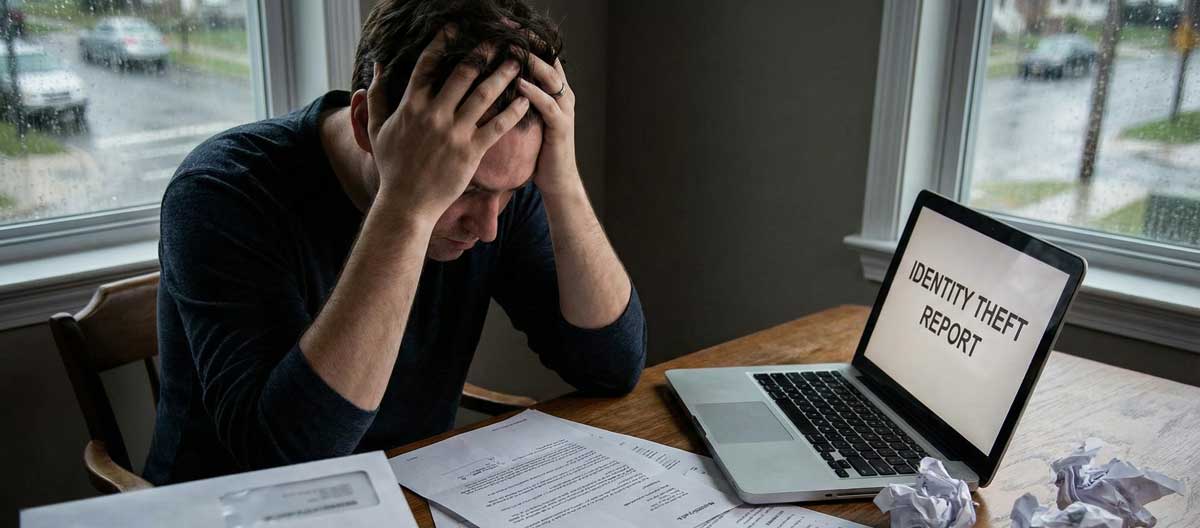
Finding out that someone filed a bankruptcy using your identifying information is a nightmare scenario that can leave you feeling violated and financially vulnerable. Imagine applying for a loan or checking your credit score only to discover a bankruptcy filing you never initiated. This form of identity theft is not just a nuisance; it is a serious legal and financial crisis that can destroy your creditworthiness and haunt you for years if not addressed immediately.
While the shock can be paralyzing, taking swift action is critical. The good news is that you have rights, and there are specific steps you can take to clear your name. From contacting credit bureaus to notifying the U.S. Trustee, the path to recovery is structured but complex. This guide will walk you through exactly what steps to take and explain why hiring an experienced consumer protection firm like Cannon Legal PLLC is your best defense against long-term financial damage.
Immediate Steps: What to Do If Someone Filed a Bankruptcy Using Your Identifying Information
If you suspect you are a victim of bankruptcy fraud, time is of the essence. You must act quickly to alert the authorities and halt any further damage to your credit profile.
1. Contact the Credit Reporting Agencies
The first line of defense is to stop the bleeding. You need to contact the fraud departments of the three major credit reporting agencies immediately.
-
Place a Fraud Alert: Instruct them to flag your file with a fraud alert. This statement requires creditors to call you for permission before opening any new accounts in your name.
-
Contact Information:
-
Equifax: (800) 525-6285 or www.equifax.com
-
Experian: (888) 397-3742 or www.experian.com
-
TransUnion: (800) 680-7289 or www.tuc.com
-
2. Order and Review Your Credit Report
Once the alert is in place, you need to see the extent of the damage.
-
Get Your Report: Order your credit report immediately. If you have recently been turned down for credit, you are entitled to a free report.
-
Verify for Inaccuracies: Scrutinize the report for any errors, specifically looking for the fraudulent bankruptcy filing and any other unauthorized accounts.
-
Regular Monitoring: It is a good idea to order a report at least once per year to ensure there are no lingering problems.
3. File a Police Report
A police report is a critical piece of evidence.
-
Local Station: Go to the police station closest to your home to file a report.
-
Insist on documentation: Even if the police are reluctant, you must insist on filing a report because it provides valuable information to your creditors.
-
Distribute the Report: Send this police report to the three credit reporting agencies along with a cover letter detailing the situation. They are required to send this report to any company requesting your credit information.
4. Contact Creditors and the U.S. Trustee
After securing your credit report and police report, you must notify the relevant financial and legal entities.
-
Contact Creditors: Call the security or fraud departments of any creditors where accounts have been tampered with or opened fraudulently. Follow up with a written letter.
-
Notify the U.S. Trustee: Write a letter to the U.S. Trustee in your area explaining the fraud. Include your contact details, a clear explanation of the fraud, and copies of all related documents including evidence of who used your identifying information.