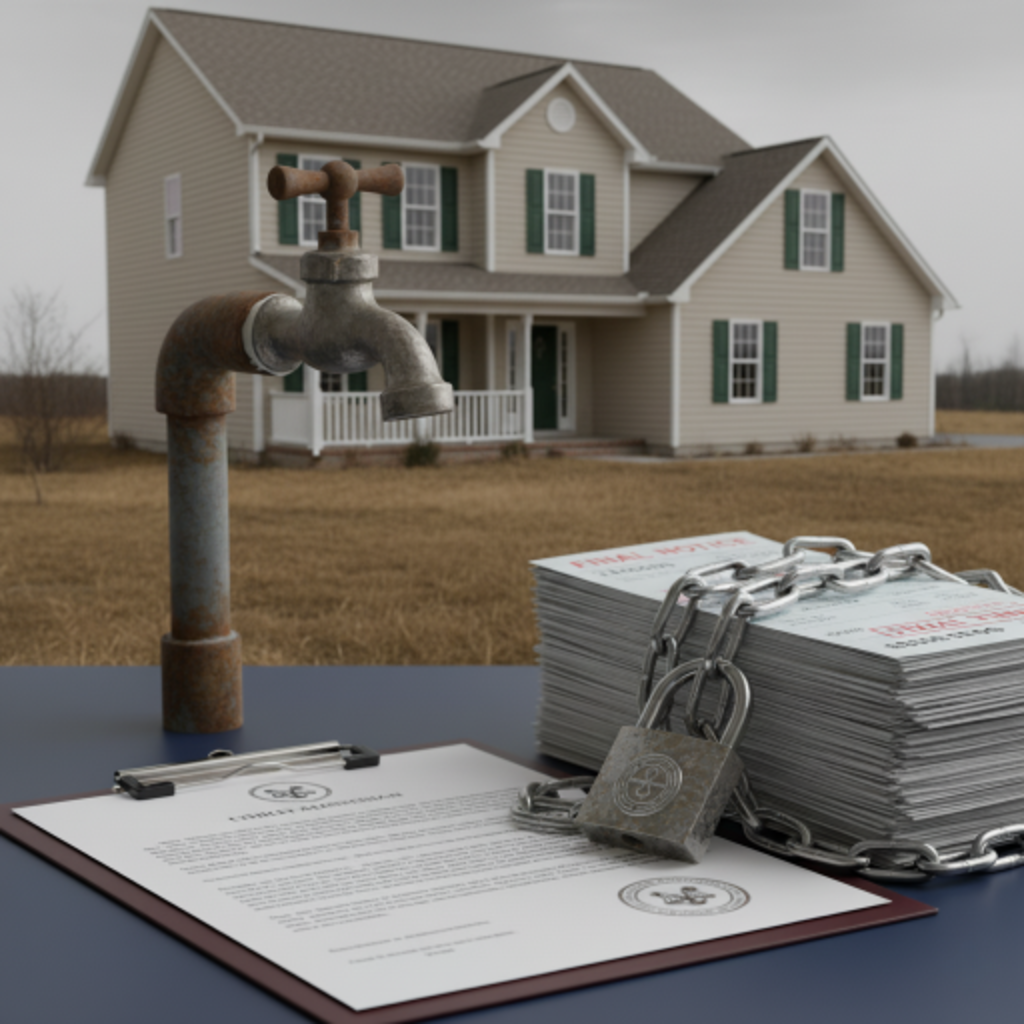


Facing Pressure from Utility Debt Collectors in Texas?
Dealing with utility debt collection can be stressful and confusing. If you are being contacted by aggressive debt collectors for unpaid electricity, gas, water, or other utility services, or if you believe the debt is inaccurate or the collection methods are unlawful, you have rights.
Cannon Legal PLLC is dedicated to protecting Texas consumers from illegal and unethical collection tactics. Our experienced consumer law team can provide the guidance and representation you need to find a fair resolution.
How Cannon Legal PLLC Can Assist You with Utility Debt Collection Issues
We are here to help you understand your rights and navigate the complexities of utility debt collection.
- Understanding Your Rights: We will explain your rights under the Texas Debt Collection Act (TDCA) and the Fair Debt Collection Practices Act (FDCPA), safeguarding you from illegal collection tactics related to utility debt.
- Stopping Harassment: If you are receiving harassing calls or letters about utility bills, we can help you take action to stop the communication, including sending cease communication letters.
- Disputing Inaccurate Debts: We can guide you through the process of disputing utility charges you believe are incorrect with the collection agencies and help you send debt validation requests.
- Responding to Lawsuits: If you have been sued for unpaid utility debt, we can assist you in understanding the lawsuit and preparing a proper response to protect your rights.
- Filing Complaints: We can advise you on and assist with filing complaints with the Texas Attorney General and the Consumer Financial Protection Bureau (CFPB) to report unfair utility debt collection practices.
- Addressing Credit Reporting: We can help you understand your rights under the Fair Credit Reporting Act (FCRA) and address inaccurate reporting of utility debt on your credit report.
Don’t let unfair utility debt collection tactics overwhelm you.
Texas Utility Debt Collection FAQ’s
You have rights under the FDCPA and TDCA that protect you from abusive and unfair collection practices.
You should immediately dispute the debt in writing with the collection agency and request validation of the debt. We can help you draft and send these letters.
Under the FDCPA and TDCA, you have the right to tell a debt collector to cease communication with you by sending a written request.
The TDCA is a Texas state law that regulates the actions of debt collectors, including those collecting utility debt, outlining what they can and cannot do.
The FDCPA is a federal law that protects consumers from abusive and deceptive debt collection practices nationwide, including those related to utility debt.
Yes, utility providers or their debt collectors can file a lawsuit to recover unpaid debts. It’s important to respond to any lawsuit promptly.
Generally, the statute of limitations for debt collection in Texas is four years from the date of last activity on the account.
Yes, we can assist you at any stage of the debt collection process, from the first call to responding to a lawsuit.
A lawyer can provide expert advice on your rights, help you navigate the collection process, and potentially represent you if your rights have been violated or if you are facing a lawsuit.